
The National Farmers' Academy is a truly farmer-led, non-profit platform that promotes collaborative learning, policy advocacy, and sustainable linkages. We aim to bridge the gap between traditional farming wisdom and modern agronomy.
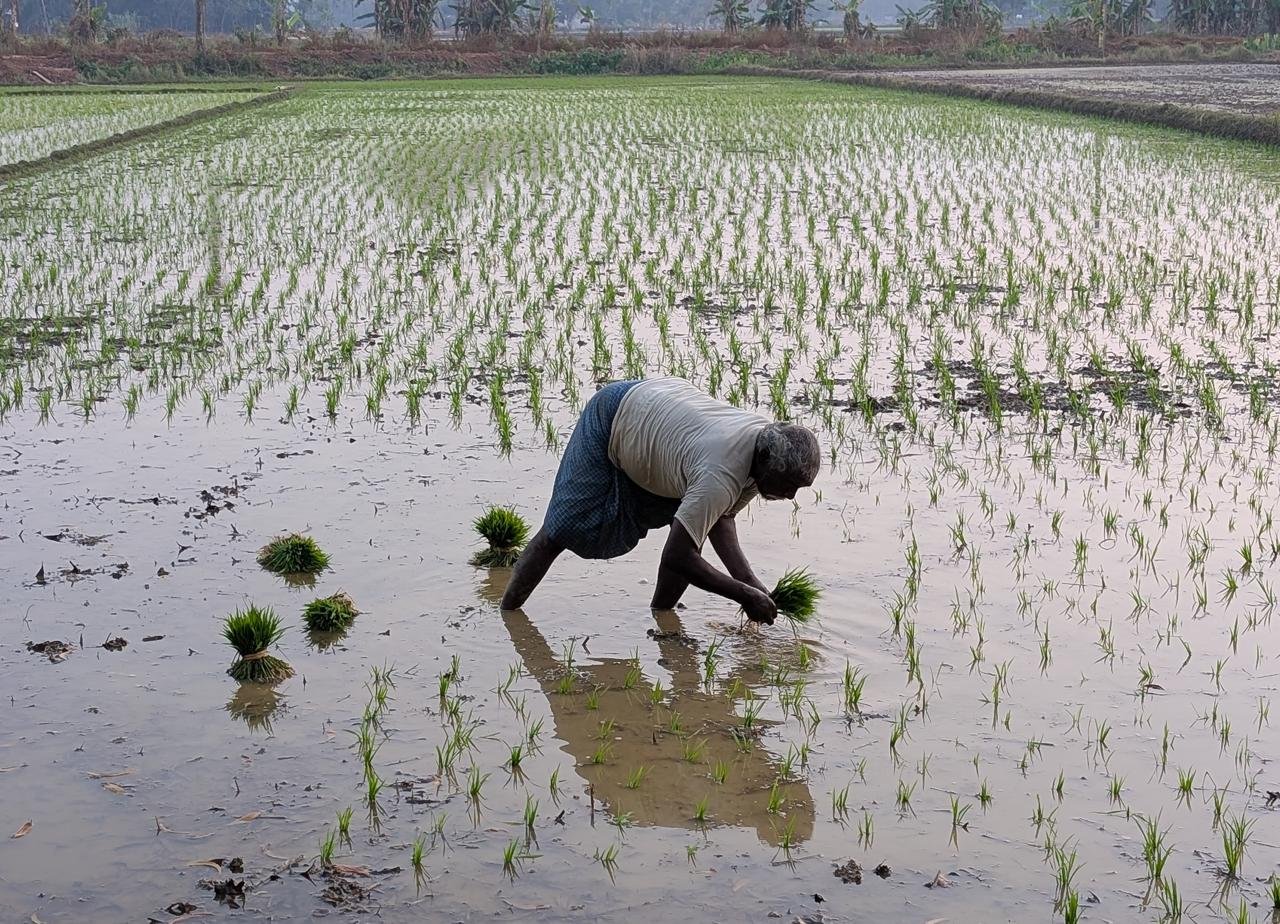
A sustainable agricultural practice that avoids synthetic fertilizers and pesticides. It relies on ecological processes, biodiversity, and natural cycles to maintain soil health.
IPM combines biological, cultural, mechanical, and chemical practices to control pests economically and safely without degrading the environment.
A balanced approach using organic, inorganic, and biological sources to ensure soil fertility, prevent degradation, and enable sustainable crop production.
Improve crop traits such as yield, resistance, and adaptability through selective breeding, certified seeds, and proper storage methodologies.
Master the foundation of agriculture. Understand soil structure, fertility, nutrient-holding capacity, and modern meteorology to plan your harvests.
Understanding the market chain, pricing, and cost-benefit analysis helps farmers maximize profits and transition into successful agri-entrepreneurs.
Farmers face daily physical strain and environmental risks that affect their health. Common issues include pesticide exposure, joint pain, dehydration, sunstroke, and lack of access to primary healthcare.
Farming families often live in economically fragile conditions. Welfare programs support spouses and elderly family members with food security, financial stability, and emotional wellbeing.
Children in farming communities need quality education and protection. Many face dropout risks, child labor, or malnutrition without a proper support system in place.
Tribal communities follow traditional farming linked with nature. We document their use of herbal plants and traditional healing methods for both human and animal health.
Celebrations during sowing and harvesting seasons (like Pongal, Bihu) bring communities together. Folk songs, poems, and stories preserve the identity and joys of farmers.
Conserving indigenous varieties and land races of crops unique to specific regions. These native seeds have adapted to local environments and are crucial for protecting our biodiversity.